Is the Asus ProArt P16 H7606 2025 Still Good in 2026? Long-Term Review
I've been using the Asus ProArt P16 H7606 2025 as my daily creative workstation for the better part of a year, and I wanted to write up a long-term, honest take on whether it still makes sense in 2026. I bought this laptop in mid-2025 because I needed a portable machine that felt like a proper desktop replacer for photo and video editing, occasional 3D work, and a lot of multitasking. After months of real-world use—travel, client edits, color grading sessions, and daily remote work—here's what I found.
Why I chose the ProArt P16 H7606
When I bought it I prioritized three things: a color-accurate display, a powerful CPU/GPU combo for rendering, and a full set of ports so I wouldn't need dongles at client sites. The H7606 landed on my desk because Asus's ProArt line promised good out-of-the-box color, creator-focused software, and relatively sane thermals for a high-performance 16-inch design. My particular configuration was a high-end H-series Intel CPU paired with an NVIDIA RTX mobile GPU, 32GB of RAM, a 1TB SSD, and the 16" 4K ProArt display option. That hardware has framed everything in this review.
Design and build: feels professional, not fragile
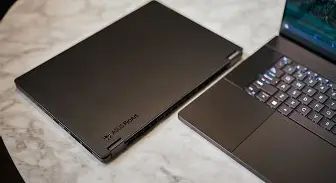
In my experience the ProArt P16 looks like a professional machine rather than a gamer loudspeaker. The chassis is matte, muted, and it hides fingerprints better than some other laptops I’ve owned. It's not the lightest 16-inch machine—carrying it in a backpack for a day trip is fine, but it's noticeably heavier than ultra-portables. I was happy with the hinge mechanism; it opens smoothly with one hand and stayed firm on my lap. After months of travel, I didn't notice any creaks or loosened parts.
What I appreciated: the full-size SD card slot. As a photographer, being able to pop an SD card directly into the machine without an adapter saved me little hassles during shoots. The laptop also includes multiple USB-A and USB-C/Thunderbolt ports and an HDMI output, which meant I rarely had to fish for adapters. One small annoyance: there’s no built-in RJ45 Ethernet port, so if you need wired networking during location shoots you’ll need a USB-C adapter.
Display: a genuinely useful creative screen
The ProArt panel is where this laptop shines for me. Out of the box the 16-inch 4K option was impressively accurate—colors looked consistent and vibrant, and skin tones were natural. I ran a quick calibration with my colorimeter during the first week and the panel settled to a reliably accurate profile for photo and video work. After months, the display still maintains that fidelity; I've done multiple long editing sessions and the uniformity and contrast have held up well.
One thing I noticed is that, while contrast and black levels are excellent, the absolute brightness can feel a bit conservative when working outdoors in bright sunshine. I tended to bring the laptop into shaded areas for client previews. Also, if you're doing prolonged color-critical work, remember to let the screen warm up and avoid toggling between different color-managed apps without consistent profiles—this is true on any high-end panel but worth mentioning from repeated real-world use.
Performance and thermals: strong, with expected limits
For the creative tasks I threw at it—batches of Lightroom exports, 4K timeline grading in Premiere, occasional Blender renders—the ProArt P16 has been solid. The H-series CPU and RTX-class GPU are fast in both single-threaded and multi-threaded workloads. I appreciated how quickly timelines would scrub and how export time dropped once I used the GPU encoder for renders.
Long sessions do make the fans audible. In my experience the cooling is competent: the machine sustained higher clocks for longer than many thinner laptops I’ve used, but it does run warm under heavy sustained load. During a full-day color grade and encode marathon, I noticed performance dipping slightly—thermals will force the system to find a balance. That’s not a fault unique to this laptop; it's just the reality of putting a lot of power into a slim 16-inch chassis.
Shop the latest Laptops & Computers picks on Amazon.
Shop Amazon →What I found surprising was how the fan curve evolved after a few firmware updates. Early on the machine felt a touch more aggressive; later updates softened the response slightly without hurting sustained throughput noticeably. If you care about the absolute quietest experience, there are quieter alternatives, but they often sacrifice thermal headroom.
Battery life: adequate, not exceptional
Battery life has been a mixed bag. For light productivity—email, notes, web browsing, and video calls—I averaged around 7–8 hours with brightness in the 40–60% range and balanced power settings. For creative workloads, expect 2–3 hours depending on GPU usage. When I'm color grading or rendering, I always keep the charger nearby.
Charging is quick with the included high-wattage adapter. I liked that the laptop can fast-charge to a useful percentage in around 30–40 minutes, which made short breaks useful for recharging between sessions. If you plan to do serious editing unplugged, consider lowering preview resolution or switching to a balanced power profile to stretch that time.
Keyboard, trackpad, webcam and speakers
The keyboard strikes a solid balance for typing and occasional longer drafts. The keys have decent travel and the layout is sensible for a 16-inch laptop. I did notice the keycaps are on the smaller side for some of the function keys, which tripped me up for a couple of days, but I adapted quickly.
The trackpad is roomy and responsive, and Windows gestures have been reliable for multi-window workflows. The webcam is what you'd expect for 2025—1080p with good noise processing. The microphone array worked well for client calls, and the speakers are reasonably full-bodied, though they can't match external studio monitors for critical listening. Bass is present but not deep; I keep a small pair of studio monitors at home for serious audio checks.
Software and updates: ProArt Creator Hub actually useful
Asus ships the laptop with the ProArt Creator Hub. In my experience it was genuinely useful for switching between performance modes, monitoring thermal status, and managing display color profiles. It isn’t intrusive the way some OEM apps are. Firmware updates delivered during my ownership fixed a few small annoyances and improved stability, which I appreciated—keeping the machine updated has been part of my workflow.
Long-term reliability and day-to-day durability
After nearly a year of daily use and travel, this laptop has been dependable. The chassis has survived being tossed into backpacks and a few tight coffee-shop work sessions. I did a two-week overseas trip with it and it never missed a beat. The only maintenance I've done is periodic cleaning of the intake vents and a software tidy-up—no hardware issues to report.
Pros & Cons
- Pros:
- Outstanding color-accurate 16" display that remains reliable for color work
- Strong CPU/GPU performance for photo/video editing and 3D tasks
- Generous and practical port selection (including full-size SD)
- Solid build and professional aesthetic—feels like a workstation
- ProArt Creator Hub is actually helpful for creators
- Cons:
- Heavier than ultraportables—less comfortable for all-day commuting
- Battery life is average under creative loads
- Fans can become audible under sustained heavy load
- No built-in Ethernet port (requires adapter for wired use)
- Absolute outdoor brightness could be better for sunlit shoots
How it stacks up: quick comparison
| Model | Best for | Display | Performance (typical config) | Battery | Weight |
|---|---|---|---|---|---|
| Asus ProArt P16 H7606 (my unit) | Color-critical creatives who need ports | 16" 4K ProArt (color-calibrated) | High-end Intel H + RTX mobile — strong for editing/rendering | ~7–8h light use, 2–3h heavy creative use | Moderate (portable, but not ultralight) |
| Apple MacBook Pro 16 (M2/M3) | macOS-first creatives seeking great battery + performance | 16" Retina / XDR, excellent color and brightness | Apple silicon — excellent sustained performance and efficiency | Excellent (often 10+ hours light use) | Lighter for the class |
| Dell XPS 15 | Balanced portable creator with premium design | 15.6" OLED/IPS options | Strong Intel/AMD options; slightly less GPU headroom | Good (but variable with OLED) | Lighter than many 16" workstations |
| Lenovo ThinkPad P1 | Professional workstation with enterprise features | 15.6/16" IPS/OLED options, color-calibrated choices | Workstation-class CPUs and professional GPUs | Average to good, depends on GPU | Comparable to ProArt in weight |
Buying guide: should you get the ProArt P16 H7606 in 2026?
Who I think this is for
In my experience, the ProArt P16 H7606 is a great match if you:
Discover deals on Laptops & Computers — updated daily.
Shop Amazon →- Do color-critical photo or video work and want a reliable, accurate display out of the box.
- Need a laptop that can be a reasonable desktop replacement for editing and occasional rendering.
- Prefer having physical ports (SD card slot, HDMI, USB-A) without carrying a travel kit full of adapters.
- Want Windows and the ecosystem of creative apps that run on it (DaVinci Resolve, Premiere Pro, Photoshop, Blender, etc.).
Who should look elsewhere
In my experience, consider alternatives if you:
- Prioritize the absolute longest battery life for all-day unplugged editing—MacBook Pros still lead in efficiency.
- Need a lighter machine for daily long-distance commuting—there are lighter 16-inch options and 15-inch laptops that trade raw power for weight.
- Require enterprise-grade manageability and extended warranty services—some Lenovo and Dell workstation offerings are more corporate-focused.
Which configuration to pick
From what I learned using this unit, prioritize the display and at least 32GB of RAM if you regularly work with large files or multitask between editing, rendering, and running virtual machines. If your work is mostly photo editing and light video, 16GB can be adequate, but 32GB gives you breathing room. SSD choice is practical—1TB is a good baseline unless you use fast external RAID arrays.
What to test before you buy
- Open a few RAW files and scrub a 4K timeline to see how the machine behaves thermally and responsively.
- Check the actual color profile and ask if the unit is factory-calibrated or if it includes a calibration report.
- Inspect the port selection and make sure your essential accessories work without adapters.
- Ask about warranty options and whether on-site service is available in your region if that matters to you.
Real-world tips from months of ownership
Here are a few practical things I learned that made the day-to-day experience better:
- Keep the ProArt Creator Hub installed and check it after firmware updates. It won’t fix everything, but it helped me tune performance for different tasks.
- If you do a lot of heavy rendering, consider an elevated cooling pad or a desk setup that keeps the rear venting clear—small airflow improvements can stabilize sustained clocks.
- Backup strategy: I paired the internal drive with a fast external NVMe enclosure for large project archives. It’s faster and more flexible than configuring huge internal drives up front.
- Bring a small dongle set for Ethernet and older HDMI variations when you travel to client sites—though I rarely needed it, there were a couple of locations where a wired connection was helpful.
Final thoughts
After using the Asus ProArt P16 H7606 for many months, my overall feeling is that it's still a very relevant machine in 2026 for the right user. It gives you a strong balance of display quality, performance, and practical ports in a professional chassis. If your workflow includes serious color work and you want Windows-based software compatibility without trading portability for a full desktop tower, this remains a solid pick.
That said, it isn't flawless. Battery life is average for heavy creative work, the fans will announce themselves under load, and it’s not the lightest device in the class. For me, those trade-offs were acceptable because the display and the real-world editing performance are what I value most—and in that respect the ProArt P16 delivered reliably.
If you're deciding today, weigh how important the display and port selection are to you versus battery life and absolute portability. For many creative professionals I speak with, the ProArt P16 still hits the sweet spot in 2026.